
As the second-largest continent in the world, Africa is a treasure trove of diverse cultures, breathtaking landscapes, and vibrant cities. From the majestic pyramids of Egypt to the stunning beaches of Cape Town, Africa is a destination that has something to offer for every kind of traveler. But Africa is more than just a tourist destination – it’s a continent with a rich history, complex politics, and a thriving economy. In this blog post, we’ll take you on a journey through the wonders of Africa, exploring its history, culture, natural beauty, and economic landscape.

A Brief History of Africa
Africa’s history is a long and complex one, spanning thousands of years. From the ancient civilizations of Egypt and Nubia to the modern-day nations of South Africa and Nigeria, the continent has been shaped by a multitude of cultures, empires, and colonial powers. The trans-Saharan trade, which connected West Africa to the Mediterranean region, played a significant role in the development of African societies, with the exchange of goods, ideas, and cultures. The colonial era, which began in the late 19th century, had a profound impact on Africa, with European powers dividing the continent into spheres of influence and exploiting its natural resources. Today, Africa is a continent of 55 independent nations, each with its own unique history, culture, and challenges.
The history of Africa is also marked by the struggles of its people against colonialism, apartheid, and other forms of oppression. The African independence movement, which gained momentum in the mid-20th century, was led by figures such as Kwame Nkrumah, Nelson Mandela, and Julius Nyerere, who fought for freedom, justice, and equality. The legacy of these struggles can still be seen today, with many African countries continuing to grapple with the challenges of poverty, inequality, and social injustice.
The Cultural Diversity of Africa
Africa is a continent of incredible cultural diversity, with over 2,000 languages spoken and more than 3,000 ethnic groups. From the vibrant cities of Lagos and Johannesburg to the rural villages of Ethiopia and Mali, African cultures are characterized by their warmth, hospitality, and resilience. The continent is home to some of the world’s most famous musicians, including Fela Kuti, Miriam Makeba, and Youssou N’Dour, who have used their music to promote social justice and cultural exchange.
African cultures are also marked by their rich traditions of storytelling, dance, and art. The continent is home to some of the world’s most famous festivals, including the Cape Town International Jazz Festival, the Marrakech Popular Arts Festival, and the Lagos Book and Art Festival. These festivals celebrate African music, literature, and art, and provide a platform for African artists to showcase their talents to a global audience.
The Natural Beauty of Africa
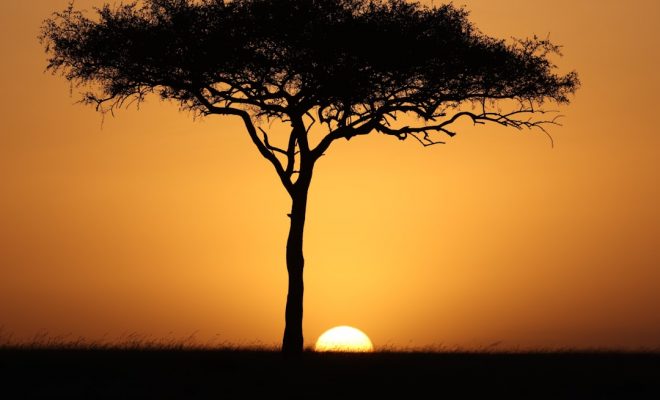
Africa is a continent of breathtaking natural beauty, with some of the world’s most stunning landscapes and diverse wildlife. From the snow-capped peaks of Mount Kilimanjaro to the sun-kissed beaches of Zanzibar, the continent is home to some of the world’s most incredible natural wonders. The Serengeti National Park in Tanzania, the Maasai Mara National Reserve in Kenya, and the Kruger National Park in South Africa are just a few examples of Africa’s incredible wildlife reserves, where visitors can see lions, elephants, and giraffes in their natural habitats.
The continent is also home to some of the world’s most beautiful and diverse ecosystems, including the Congo Basin, the Nile River Delta, and the Okavango Delta. These ecosystems support a wide range of plant and animal species, and are essential for the health and well-being of both humans and wildlife. The African continent is also vulnerable to the impacts of climate change, including rising temperatures, changing precipitation patterns, and increased frequency of extreme weather events.
The Economic Landscape of Africa
Africa is a continent of immense economic potential, with a growing middle class, a thriving entrepreneurial spirit, and a rich array of natural resources. The continent is home to some of the world’s fastest-growing economies, including Ghana, Rwanda, and Kenya, which are driven by a combination of agriculture, mining, and manufacturing. The African Continental Free Trade Area (AfCFTA), which was launched in 2020, aims to promote economic integration and trade among African countries, and has the potential to boost economic growth, create jobs, and reduce poverty.
However, Africa also faces significant economic challenges, including poverty, inequality, and unemployment. Many African countries are heavily reliant on commodity exports, which can make them vulnerable to fluctuations in global prices. The continent also needs to invest in infrastructure, including roads, railways, and energy systems, in order to support economic growth and development.
Conclusion
In conclusion, Africa is a continent of incredible diversity, richness, and complexity. From its ancient history to its vibrant cultures, breathtaking landscapes, and thriving economies, Africa has something to offer for every kind of traveler, investor, and scholar. As the continent continues to grow and develop, it’s essential to recognize both the challenges and opportunities that lie ahead. By promoting economic integration, investing in infrastructure, and supporting African entrepreneurship, we can help unlock the continent’s immense potential and create a brighter future for all Africans.
Key takeaways:
- Africa is a continent of incredible cultural diversity, with over 2,000 languages spoken and more than 3,000 ethnic groups.
- The continent is home to some of the world’s most stunning natural landscapes and diverse wildlife, including the Serengeti National Park, the Maasai Mara National Reserve, and the Kruger National Park.
- Africa has a growing middle class, a thriving entrepreneurial spirit, and a rich array of natural resources, making it an attractive destination for investors and businesses.
- The African Continental Free Trade Area (AfCFTA) has the potential to boost economic growth, create jobs, and reduce poverty, but the continent also faces significant economic challenges, including poverty, inequality, and unemployment.
- By promoting economic integration, investing in infrastructure, and supporting African entrepreneurship, we can help unlock the continent’s immense potential and create a brighter future for all Africans.