
As you step foot into the vast and vibrant land of Tanzania, you can’t help but feel the warmth of the African sun on your skin and the rhythm of the local drums beating in your heart. Located in the eastern part of the continent, Tanzania is a country that embodies the spirit of Africa, with its rich cultural heritage, breathtaking natural beauty, and unparalleled wildlife experiences. From the snow-capped peaks of Mount Kilimanjaro to the sun-kissed beaches of Zanzibar, Tanzania is a treasure trove of exciting stories waiting to be uncovered. In this blog post, we’ll delve into the fascinating world of Tanzania, exploring its history, culture, and natural wonders, and providing you with valuable insights and tips to plan your next adventure.

Discovering the Cultural Heritage of Tanzania
Tanzania is a melting pot of cultures, with over 120 ethnic groups calling the country home. The local people are known for their warm hospitality and welcoming nature, making visitors feel like part of the family. One of the most significant cultural attractions in Tanzania is the Maasai people, a semi-nomadic tribe that has preserved its traditional way of life for centuries. The Maasai are known for their vibrant clothing, intricate beadwork, and impressive jumping dances. Visitors can experience the Maasai culture firsthand by visiting a local village, where they can learn about the tribe’s customs, traditions, and daily life. The best time to visit Tanzania for a cultural experience is during the summer months, when the weather is warm and dry, and the festivals are in full swing. Some of the popular cultural festivals in Tanzania include the Zanzibar International Film Festival, the Bagamoyo Festival of Arts and Culture, and the Dar es Salaam International Trade Fair.
Exploring the Natural Wonders of Tanzania
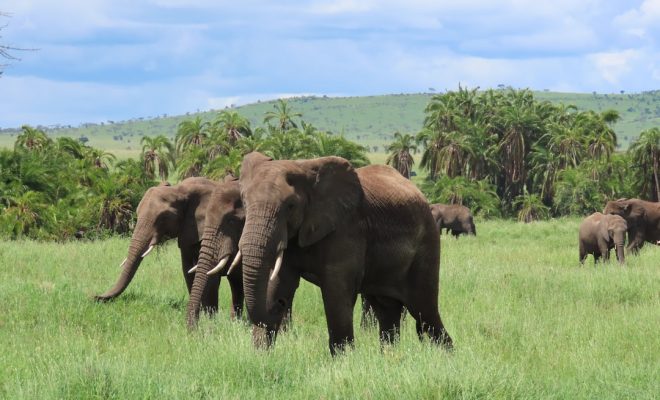
Tanzania is home to some of the most incredible natural wonders in Africa, including the Serengeti National Park, the Ngorongoro Conservation Area, and the Mount Kilimanjaro National Park. The Serengeti is famous for its annual migration of wildebeests, zebras, and gazelles, which is considered one of the greatest wildlife spectacles on the planet. The Ngorongoro Conservation Area is a UNESCO World Heritage Site and home to the largest intact caldera in the world, which is inhabited by a diverse range of wildlife, including lions, elephants, and rhinos. For adventure-seekers, Mount Kilimanjaro is a must-visit destination, offering breathtaking hiking trails, stunning scenery, and a chance to conquer the highest peak in Africa. The best time to visit Tanzania for a wildlife experience is during the dry season, from June to October, when the animals congregate around water sources and the grasslands are dry and golden.
Unwinding on the Beautiful Beaches of Zanzibar
After exploring the cultural heritage and natural wonders of Tanzania, it’s time to unwind and relax on the beautiful beaches of Zanzibar. Located off the coast of Tanzania, Zanzibar is a semi-autonomous island that is known for its crystal-clear waters, powdery white sand, and picturesque fishing villages. The island is steeped in history and culture, with a rich heritage of Arabic, Portuguese, and African influences. Visitors can explore the narrow streets of Stone Town, visit the ancient forts and palaces, and enjoy the local cuisine, which is a fusion of seafood, spices, and exotic flavors. Some of the popular beaches in Zanzibar include Nungwi, Kendwa, and Paje, which offer a range of water sports, snorkeling, and diving opportunities. The best time to visit Zanzibar is during the dry season, from December to March, when the weather is warm and sunny, and the sea is calm and clear.
Planning Your Trip to Tanzania
Planning a trip to Tanzania can be a daunting task, especially for first-time travelers. However, with some research and planning, you can have a safe and enjoyable experience in this beautiful country. One of the most important things to consider is the time of year, as the weather and climate can vary significantly depending on the season. The dry season, from June to October, is the best time to visit Tanzania for a wildlife experience, while the summer months, from December to March, are ideal for a cultural experience. Another important consideration is the vaccinations and medications required for travel to Tanzania, which include yellow fever, malaria, and hepatitis. Visitors should also take necessary precautions to stay safe, such as avoiding traveling alone at night, using reputable taxi services, and keeping valuables secure.
In conclusion, Tanzania is a country that has something to offer for every kind of traveler, from cultural enthusiasts to adventure-seekers and beach lovers. With its rich cultural heritage, breathtaking natural beauty, and unparalleled wildlife experiences, Tanzania is a destination that will leave you with unforgettable memories and a deep appreciation for the beauty and diversity of Africa. Whether you’re planning a solo trip, a family vacation, or a romantic getaway, Tanzania is a must-visit destination that will exceed your expectations and leave you wanting more. So why wait? Start planning your trip to Tanzania today and get ready to experience the adventure of a lifetime. Some of the key takeaways from this blog post include the importance of researching and planning your trip, considering the time of year and weather, and taking necessary precautions to stay safe. With these tips and insights, you’ll be well on your way to having a safe and enjoyable experience in Tanzania.