
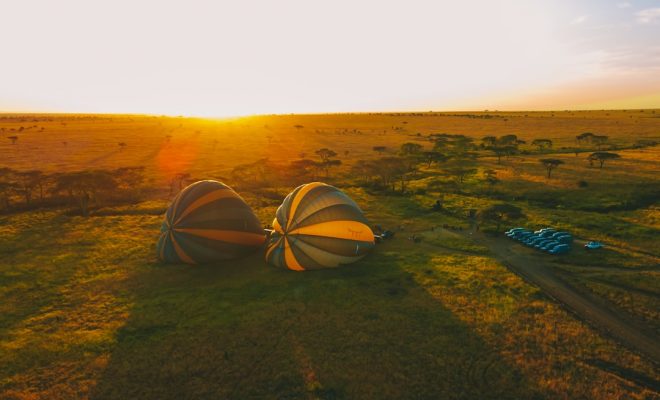
As the sun rises over the vast plains of the Serengeti, a new day dawns on the enchanting land of Tanzania. With its rich history, diverse culture, and breathtaking natural beauty, Tanzania is a treasure trove of experiences waiting to be discovered. From the majestic Mount Kilimanjaro to the pristine beaches of Zanzibar, this East African nation is a haven for travelers, adventure-seekers, and nature lovers alike. In this comprehensive guide, we’ll delve into the fascinating world of Tanzania, exploring its storied past, vibrant culture, and awe-inspiring landscapes.

A Brief History of Tanzania: Uncovering the Past
Tanzania’s history is a complex tapestry of influences, with various cultures and empires leaving their mark on the region. The country’s strategic location on the Indian Ocean made it a prized possession for traders, colonizers, and explorers. The ancient Swahili cities of Kilwa and Zanzibar were once major hubs of commerce, with merchants from Arabia, Persia, and China flocking to its shores. The arrival of European colonizers in the 19th century brought significant changes, with Tanzania becoming a German colony before being mandated to Britain after World War I. The country gained independence in 1964, with Julius Nyerere, the father of the nation, leading the charge. Today, Tanzania is a proud nation, with a unique blend of traditional and modern values.
For those interested in exploring Tanzania’s history, the National Museum in Dar es Salaam is a must-visit. With its extensive collection of artifacts, exhibits, and historical records, the museum provides a fascinating glimpse into the country’s past. The ancient city of Kilwa, a UNESCO World Heritage Site, is another significant historical landmark, with its well-preserved ruins and stunning architecture. Whether you’re a history buff or simply curious about the country’s heritage, Tanzania’s rich past is sure to captivate and inspire.
Immersing Yourself in Tanzanian Culture: A Vibrant Tapestry
Tanzanian culture is a vibrant and diverse tapestry, woven from the threads of over 120 ethnic groups. The country’s people are known for their warm hospitality, with visitors often being greeted with a hearty “jambo” (hello) and a smile. The local cuisine is a delicious reflection of the country’s cultural melting pot, with popular dishes like ugali, nyama choma, and mandazi (fried doughnuts) showcasing the blend of African, Arab, and European influences. Music and dance are also integral parts of Tanzanian culture, with the country being home to a wide range of traditional and modern styles, from the energetic rhythms of taarab to the soulful sounds of bongo flava.
For those looking to immerse themselves in Tanzanian culture, attending a local festival or event is an excellent way to experience the country’s vibrant traditions. The Zanzibar International Film Festival, for example, showcases the best of African and international cinema, while the Bagamoyo Festival of Arts and Culture celebrates the country’s rich cultural heritage. Visitors can also explore the local markets, such as the bustling Darajani Market in Zanzibar, where they can haggle for souvenirs, try local street food, and soak up the lively atmosphere.
Exploring Tanzania’s Natural Wonders: A Nature Lover’s Paradise
Tanzania is home to some of the most breathtaking natural wonders in Africa, with its diverse landscapes and ecosystems supporting an incredible array of flora and fauna. The Serengeti National Park, famous for its Great Migration, is a must-visit destination for wildlife enthusiasts, with its rolling plains, rocky outcrops, and abundant game. The Ngorongoro Conservation Area, another UNESCO World Heritage Site, is a unique protected zone, with its stunning crater landscape and diverse wildlife, including the endangered black rhinoceros.
For adventure-seekers, Tanzania offers a wide range of activities, from hiking and mountain climbing to snorkeling and diving. Mount Kilimanjaro, the highest peak in Africa, is a popular destination for trekkers, with its snow-capped summit and breathtaking views. The islands of Zanzibar and Pemba, with their pristine beaches, coral reefs, and crystal-clear waters, are perfect for water sports and relaxation. Whether you’re a seasoned explorer or just looking to connect with nature, Tanzania’s natural beauty is sure to leave you in awe.
Planning Your Trip to Tanzania: Essential Tips and Insights
Planning a trip to Tanzania can be a daunting task, with its complex logistics and numerous options. However, with some essential tips and insights, you can ensure a smooth and enjoyable journey. The best time to visit Tanzania is during the dry season, from June to October, when the weather is mild and the wildlife is abundant. The country has a well-developed tourism infrastructure, with numerous lodges, hotels, and tour operators catering to different budgets and preferences.
For those looking to explore Tanzania’s national parks and game reserves, it’s essential to work with a reputable tour operator, who can provide expert guidance, transportation, and accommodation. The Tanzanian government has also introduced various initiatives to promote responsible tourism, such as the Tanzania Tourist Board’s “Responsible Tourism Policy,” which aims to minimize the impact of tourism on the environment and local communities. By choosing eco-friendly accommodations, respecting local customs, and supporting community-based tourism projects, visitors can contribute to the country’s sustainable development and conservation efforts.
In conclusion, Tanzania is a hidden gem, waiting to be discovered by travelers and adventure-seekers. With its rich history, vibrant culture, and breathtaking natural beauty, this East African nation offers a unique and unforgettable experience. Whether you’re interested in exploring the country’s storied past, immersing yourself in its diverse culture, or marveling at its natural wonders, Tanzania has something for everyone. By planning carefully, respecting local customs, and supporting sustainable tourism initiatives, you can ensure a memorable and responsible journey, while contributing to the country’s conservation efforts and community development. So why wait? Come and discover the magic of Tanzania for yourself – jambo!
Key takeaways:
- Tanzania has a rich history, with various cultures and empires leaving their mark on the region.
- The country’s diverse culture is a vibrant tapestry, woven from the threads of over 120 ethnic groups.
- Tanzania is home to some of the most breathtaking natural wonders in Africa, including the Serengeti National Park and Mount Kilimanjaro.
- Planning a trip to Tanzania requires careful consideration of logistics, accommodation, and responsible tourism practices.
- By choosing eco-friendly accommodations, respecting local customs, and supporting community-based tourism projects, visitors can contribute to the country’s sustainable development and conservation efforts.