
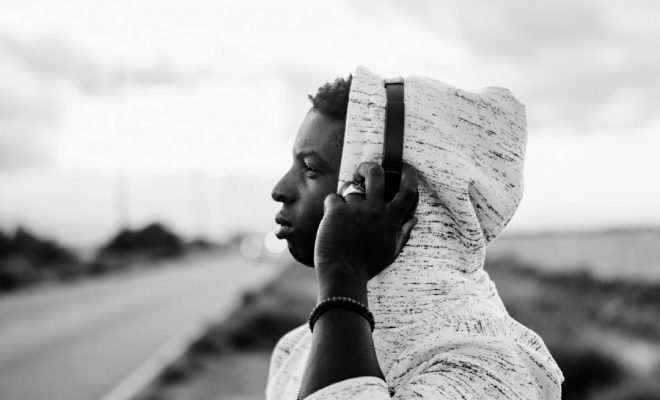

As the vibrant rhythms of African music fill the air, it’s hard not to move to the beat. But behind the infectious melodies and captivating performances lies a rich tapestry of stories, struggles, and triumphs. African musicians have long been the backbone of the continent’s cultural identity, using their music as a powerful tool for self-expression, social commentary, and community building. In this blog post, we’ll delve into the fascinating world of African music, exploring the inspiring stories of African musicians who have made a lasting impact on the global music scene.
The Evolution of African Music: A Brief History
African music has a long and storied history, with roots dating back to ancient times. From the traditional folk songs of rural villages to the modern-day fusion of genres, African music has evolved significantly over the years. The 1960s and 1970s saw the rise of Afrobeat, a genre characterized by its unique blend of traditional Yoruba music, jazz, and funk. Legendary musicians like Fela Kuti and King Sunny Adé popularized this genre, using their music as a platform for social commentary and political activism. Today, African music has branched out into various sub-genres, including Afropop, Highlife, and Juju, with artists like Wizkid, Davido, and Tiwa Savage dominating the airwaves.
Overcoming Adversity: The Stories of African Musicians
Despite the many successes of African musicians, their journeys are often marked by challenges and setbacks. Many have had to overcome poverty, lack of access to education and resources, and societal expectations to pursue their passion for music. Take, for example, the story of Angélique Kidjo, a Grammy-winning singer from Benin. Born into a family of musicians, Kidjo began singing at a young age, but her early career was marked by struggles to find her place in a male-dominated industry. She persevered, using her music as a way to promote cultural exchange and empowerment, and has since become one of the most celebrated African musicians of all time. Another inspiring story is that of Emmanuel Jal, a South Sudanese musician who survived the civil war and went on to become a successful artist and activist. His music reflects his experiences, with songs like “War Child” and “Kuar” addressing themes of war, displacement, and hope.
The Power of Music: Using African Rhythms for Social Change
- Nyimbo mpya za Diamond Platnumz
- Nyimbo Mpya za Harmonize
- Nyimbo Mpya za Alikiba
- Nyimbo Mpya za Zuchu
- Nyimbo Mpya za Rayvanny
- Nyimbo Mpya za Jux
- Nyimbo Mpya za Mbosso
- Nyimbo Mpya za Lavalava
- Nyimbo Mpya za Gospel
Nyimbo Mpya 2023, 2022 Audio Download free Mp3 Video Mp4 Songs Tanzania Music from number one free music download website in Tanzania.
African music has long been a powerful tool for social commentary and change. Many musicians use their platforms to address pressing issues like poverty, inequality, and social justice. Take, for example, the song “This Is Africa” by the Ghanaian musician, Rocky Dawuni. The song, which features a fusion of traditional and contemporary styles, celebrates African culture and identity while also highlighting the continent’s many challenges. Other artists, like the Nigerian musician, Nneka, use their music to promote feminine empowerment and challenge societal norms. Her song “Africans” is a powerful call to action, urging listeners to take pride in their African heritage and work towards a more just and equitable society.
The Global Impact of African Music: A New Era of Collaboration
In recent years, African music has experienced a surge in global popularity, with artists like Drake, Kendrick Lamar, and Beyoncé incorporating African rhythms and collaborations into their music. This has led to a new era of cultural exchange and collaboration, with African musicians working with artists from around the world to create innovative and genre-bending sounds. The Afrobeat-inspired album “Lion King: The Gift” by Beyoncé, featuring a range of African artists, is a testament to the growing interest in African music. This trend has also led to increased recognition and opportunities for African musicians, with many receiving international awards and nominations, including the Grammy Awards.
Conclusion: Celebrating the Diversity and Resilience of African Musicians
African musicians have long been the unsung heroes of the music world, using their talents to promote cultural exchange, social commentary, and community building. Their stories, marked by struggles and triumphs, serve as a testament to the power of music to inspire and uplift. As we celebrate the diversity and richness of African music, we must also recognize the many challenges that African musicians face, from limited access to resources and education to societal expectations and stereotypes. By supporting and amplifying the voices of African musicians, we can help promote a more inclusive and equitable music industry, one that values and celebrates the unique contributions of artists from around the world. So, let the rhythms of Africa move you, inspire you, and challenge you to think differently about the world and its many wonders. With its infectious beats and captivating stories, African music is sure to continue inspiring and uplifting audiences for generations to come.