

A 1920s football shirt can hardly be distinguished from today’s football shirts. They tend to be made from thick and heavy materials and have very plain patterns. When it comes to the design of football shirts, aerodynamics is of the utmost importance. Since then, however, a great deal has changed, and the football shirts have evolved. Innovations have been incorporated by manufacturers, and since then, larger and more sophisticated features have been added to allow for ventilation and sponsor logos. The shirts have become more and more complicated. By looking at the evolution of the design of football kits, one can gain a good insight into the evolution of the sport of football into a global and highly diverse sport.

From Heavy Cotton Shirts to Purpose-Built Sportswear
Football kits in the early 1900s weren’t created with a focus on athletes’ performance like they are today. Players wore thick cotton or wool shirts and long, heavy socks that offered little comfort during matches. Modern fans following football through Melbet (Arabic: ميلبيت) can also use sports betting to stay engaged with matches while comparing teams and their performances. Betting adds another layer of interest because supporters pay closer attention to lineups, form, and details that can influence results. During games, early players’ clothes became heavier as cotton absorbed rain and sweat. Clubs also needed different shirts from their opponents, which gradually encouraged greater variety in team colors.
Baseball equipment has evolved significantly since the second half of the 20th century with the introduction and utilization of synthetic materials and polyesters. Polyesters gave manufacturers more control in fitting baseball equipment and shirts. In the 1990’s with advances in fabric, equipment manufacturers began to focus on finding the fabric that would offer the most benefit to the athlete.
The Biggest Changes in Football Kit Design
The evolution of the football shirt was not accomplished by a series of dramatic changes but rather by a series of gradual steps. The rules governing football, television coverage, the manufacturing process, and commercialization all influenced the evolution of the football shirt in different ways. Some of these had very obvious impacts on the final design of the football shirt:
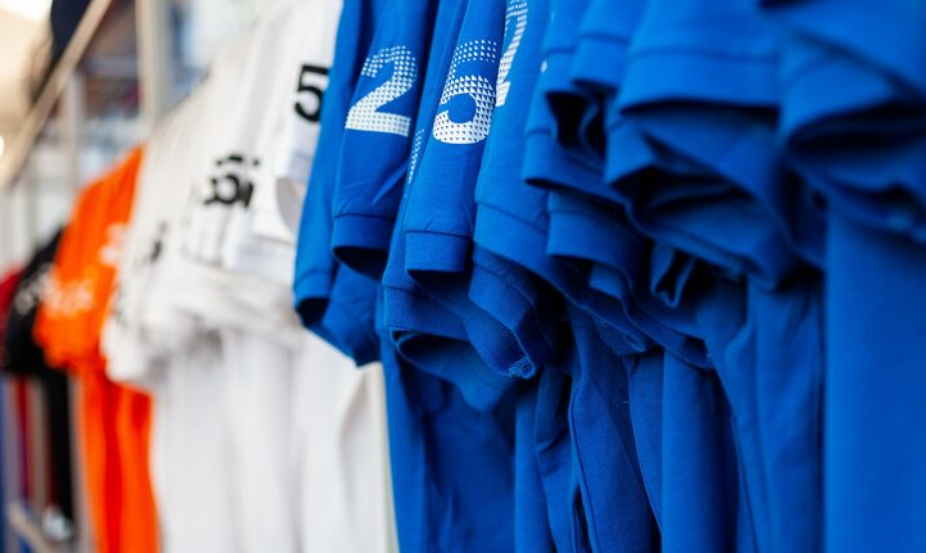
- Numbers became more prominent: Numbers were adopted across competitions as a way of providing clearer identification for players.
- Heavy fabrics were replaced by synthetic fabrics: The introduction of polyester and other synthetic fabrics reduced the weight of the shirt and also made the manufacturing process more consistent.
- Sponsorship became prominent on the shirt: With the growth of television coverage of football came an increased opportunity for commercialism. Shirt space therefore became very valuable to sponsors.
- Manufacturers became more prominent: Manufacturers started to employ more individualized designs, templates and logos in order to promote themselves.
As a result of these factors, the football shirt evolved into much more than just a piece of sportswear used for playing football. Today, a football shirt incorporates elements of competition rules, performance, club identity, and large-scale sponsorship into a well-thought-out piece of design.
How Television Changed What Football Kits Needed to Do
Television changed football kits because shirts needed to look clear and recognizable on screen. Today, fans using a betting app APK (Arabic: تطبيق الرهان APK) can follow sports betting while watching teams identified by their familiar colors and designs. Betting can make matches more engaging because viewers often pay closer attention to players, lineups, and team performance. Clubs still protect their traditional colors while experimenting with patterns, collars, and away kits for global audiences.
Shirt Sponsorship Became Part of Football’s Business
Yet eventually logos did make an impact on one of football’s most valuable pieces of merchandise – the front of the shirt. In the 1970s, European football clubs started to experiment with shirt sponsorship but with varying levels of restriction depending on the country. As these restrictions diminished, sponsorship within major domestic competitions became increasingly prevalent. As sponsors were given space that was visible to fans, the shirt was no longer purely team wear.
As the international competitions and television viewership increased, so too did the importance of sponsorship. Top clubs could give sponsors exposure across league games, cup competitions, photographs, interviews and merchandise as well as repeat contact. The design of the sponsorship also affected the appearance of the shirt. The large size of the sponsorship had to integrate with the team color and the branding of the sponsoring company. Certain sponsorships even lasted long enough for fans to associate certain brands with specific phases in the history of that club.
Why Replica Shirts Became a Major Part of Fan Culture
Replica kits changed the relationship between supporters and football clothing. Fans could wear almost the same design as players, turning shirts into visible signs of club support. Manufacturers responded by releasing new versions more regularly and expanding availability far beyond stadium shops. Several developments accelerated that market:
- Retail networks expanded: Official shirts became available through sports stores and later international online shops.
- Player names increased personalization: Supporters could connect a shirt with a favorite striker, midfielder, goalkeeper, or emerging academy player.
- Away kits encouraged variety: Clubs gained more freedom to use unusual colors without changing their traditional home identity.
- Annual launches created demand: New designs became regular commercial events promoted before each football season.
Replica shirts eventually developed their own value beyond matchday use. Older designs became collectibles, while famous tournament shirts returned through retro releases and anniversary editions. Football clothing had moved from practical equipment into a major consumer market connected directly with supporter identity.
A Century of Football Kits at a Glance
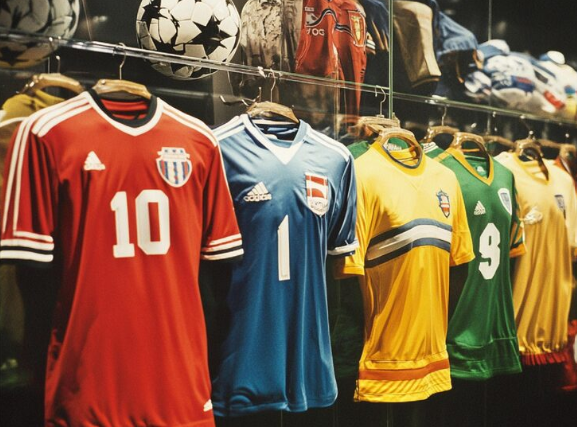
The clearest differences appear when football shirts from separate eras are compared directly. Each period introduced practical changes while keeping familiar club colors and symbols recognizable. The table shows how materials, fit, branding, and production developed across roughly one hundred years:
| Period | Typical Materials | Fit and Design | Major Features |
| 1920s–1940s | Cotton, wool | Loose and heavy | Simple colors, collars, limited detailing |
| 1950s–1970s | Lighter cotton, early synthetics | More athletic | Clearer numbers, shorter sleeves, improved movement |
| 1980s–1990s | Polyester | Looser, lighter | Sponsors, manufacturer logos, bold patterns |
| 2000s–2010s | Technical synthetics | Closer fit | Ventilation panels, lighter fabrics, detailed printing |
| 2020s | Advanced polyester blends | Athletic fit | Recycled fibers, heat management, engineered ventilation |
Modern match shirts weigh considerably less than many earlier uniforms and manage moisture more effectively. Manufacturers can also engineer different fabric structures across specific areas of one jersey. Players receive equipment designed around movement, temperature, and comfort rather than basic durability alone. The familiar football shirt has effectively become specialized performance clothing.
Modern Kits Are Designed Around Player Performance
Football shirts are designed with a player’s movement in mind. Manufacturers test the fabrics and look for a balance between air and moisture permeability and the overall weight of the fabric. Designers place ventilated zones over areas where players generate the most heat during a game. With recent advancements in printing technology, badges, numbers, and logos can be printed, thus reducing their weight compared to older stitched versions.
There can be a significant difference in quality between the shirts worn by players and the shirts bought by fans. The shirts bought by fans are usually designed by the manufacturer to be as comfortable and durable as possible, and to facilitate a wider range of movement. The shirts worn by players are designed to facilitate an even wider range of movement and to be as lightweight as possible. While the shirts worn by players and bought by fans look similar, they are manufactured to be used by very different clienteles.
Designers Still Have to Respect Club Identity
There are now more options available to the designer in the creation of a football shirt; however, history and tradition still play a part in limiting these options. In football, patterns and colors combined create the most history and tradition. Aggressive stripe layouts or the use of colors that clearly define a shirt to a specific club. These options are very difficult for a shirt manufacturer to manipulate, and when they do it is often only applied to the home shirt. Manufacturers tend to experiment at the fringes of tradition using different sleeve designs, collars, and textures.
With away and third shirts, there are no traditions to restrict the designers. Therefore, manufacturers are able to experiment with more intense patterns and colors. A design that may be used in an away or third shirt could be a houndstooth or check pattern or could reflect a local landmark or feature within a stadium. Special or commemorative shirts often incorporate something that makes a direct link to a club’s history.
What the Next Generation of Football Kits Could Look Like
Further changes to football kits are inevitable. With new methods of producing football kits and increased awareness of sustainability, future football kits are likely to be stronger, lighter and more fashionable. Manufacturers may also be able to ensure a solution for complete waste management of football kits. With these new methods of design and manufacturing, there will be greater ability for kit designers to produce more complicated football kit designs without the problems caused by increased weight in the kits. However, designers will still need to be able to retain the specific identity of each club.