
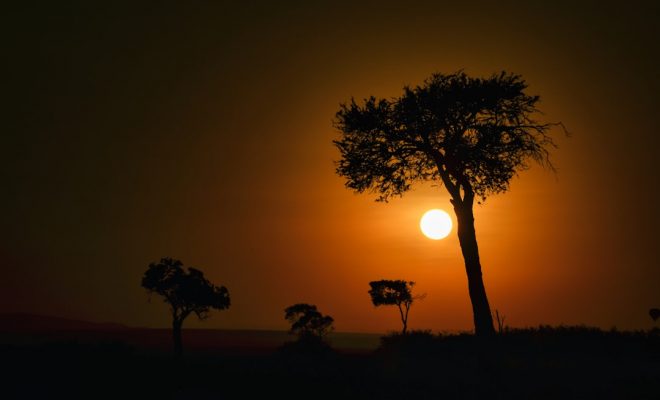

As the second-largest and second-most populous continent in the world, Africa is a land of breathtaking beauty, rich culture, and unparalleled diversity. From the snow-capped mountains of Morocco to the sun-kissed beaches of South Africa, and from the ancient pyramids of Egypt to the vibrant cities of Nigeria, Africa is a treasure trove of experiences waiting to be discovered. In this blog post, we’ll delve into the fascinating world of Africa, exploring its unique attractions, economic prospects, and the challenges it faces in the modern era.
Introduction to Africa’s Geography and Climate
Africa is a continent of extremes, with a diverse range of landscapes, climates, and ecosystems. The continent is home to the world’s largest desert, the Sahara, which covers over 9,000,000 square kilometers, as well as the Congo Basin, the second-largest tropical rainforest in the world. Africa’s climate varies from the scorching heat of the desert to the mild temperatures of the Mediterranean coast, and from the tropical rainforests of the equatorial region to the snow-capped mountains of the north. The continent’s unique geography and climate support an incredible array of flora and fauna, including the Big Five game animals (lion, elephant, buffalo, leopard, and rhinoceros) and over 2,000 species of birds.
The diverse geography and climate of Africa have also played a significant role in shaping the continent’s history, culture, and economy. The Nile River, the longest river in the world, has been the lifeblood of civilizations for thousands of years, supporting agriculture, trade, and urbanization. The continent’s natural resources, including oil, gas, gold, and diamonds, have also been a major driver of economic growth and development. However, the exploitation of these resources has also led to environmental degradation, social unrest, and economic inequality, highlighting the need for sustainable and responsible management of Africa’s natural wealth.
Economic Prospects and Challenges
- Nyimbo mpya za Diamond Platnumz
- Nyimbo Mpya za Harmonize
- Nyimbo Mpya za Alikiba
- Nyimbo Mpya za Zuchu
- Nyimbo Mpya za Rayvanny
- Nyimbo Mpya za Jux
- Nyimbo Mpya za Mbosso
- Nyimbo Mpya za Lavalava
- Nyimbo Mpya za Gospel
Nyimbo Mpya 2023, 2022 Audio Download free Mp3 Video Mp4 Songs Tanzania Music from number one free music download website in Tanzania.
Africa is a continent of immense economic potential, with a growing middle class, a young and dynamic population, and a rapidly expanding consumer market. The continent is home to some of the world’s fastest-growing economies, including Ghana, Kenya, and Rwanda, which have made significant strides in recent years in terms of economic development, innovation, and entrepreneurship. Africa is also a major producer of natural resources, including oil, gas, gold, and diamonds, which has attracted significant investment from around the world.
However, despite the continent’s economic potential, Africa still faces significant challenges, including poverty, inequality, and lack of infrastructure. Many African countries struggle with inadequate transportation networks, limited access to electricity and clean water, and poor healthcare systems, which can hinder economic growth and development. The continent is also vulnerable to climate change, with rising temperatures, changing rainfall patterns, and increased frequency of natural disasters, which can have devastating impacts on agriculture, food security, and human settlements.
To address these challenges, African governments, international organizations, and private sector investors are working together to promote economic development, improve infrastructure, and enhance the business environment. The African Continental Free Trade Area (AfCFTA), launched in 2020, is a major initiative aimed at promoting trade, investment, and economic integration across the continent. The AfCFTA has the potential to create a single market of over 1.3 billion people, with a combined GDP of over $3.4 trillion, making it one of the largest free trade areas in the world.
Cultural Heritage and Tourism
Africa is a continent of incredible cultural richness and diversity, with over 2,000 languages, more than 3,000 ethnic groups, and a vast array of traditional music, dance, and art. The continent is home to some of the world’s most famous cultural festivals, including the Cape Town International Jazz Festival, the Lagos Book and Art Festival, and the Marrakech International Film Festival. Africa’s cultural heritage is also reflected in its cuisine, which is a delicious blend of traditional and modern flavors, with popular dishes like jollof rice, suya, and tagine.
Tourism is a significant contributor to Africa’s economy, with over 60 million tourists visiting the continent each year. The tourism industry provides employment opportunities, generates revenue, and helps to promote cultural exchange and understanding. Africa’s tourist attractions are diverse and numerous, ranging from the pyramids of Egypt to the safaris of South Africa, and from the beaches of Cape Verde to the mountains of Morocco. The continent is also home to many UNESCO World Heritage sites, including the ancient city of Timbuktu, the rock-hewn churches of Lalibela, and the island of Gorée.
However, the tourism industry in Africa also faces significant challenges, including infrastructure constraints, security concerns, and environmental degradation. To address these challenges, African governments and tourism operators are working together to promote sustainable tourism, invest in infrastructure, and enhance the tourist experience. The development of eco-tourism, cultural tourism, and adventure tourism is also being promoted, which can help to create jobs, generate revenue, and promote conservation and community development.
Conclusion and Key Takeaways
In conclusion, Africa is a continent of incredible diversity, resilience, and potential. From its unique geography and climate to its rich cultural heritage and economic prospects, Africa has something to offer everyone. However, the continent also faces significant challenges, including poverty, inequality, and lack of infrastructure, which must be addressed through sustainable and responsible management of its natural resources, investment in infrastructure, and promotion of economic development and social justice.
The key takeaways from this blog post are:
- Africa is a continent of immense economic potential, with a growing middle class, a young and dynamic population, and a rapidly expanding consumer market.
- The continent faces significant challenges, including poverty, inequality, and lack of infrastructure, which must be addressed through sustainable and responsible management of its natural resources and investment in infrastructure.
- Africa’s cultural heritage is incredibly rich and diverse, with over 2,000 languages, more than 3,000 ethnic groups, and a vast array of traditional music, dance, and art.
- Tourism is a significant contributor to Africa’s economy, with over 60 million tourists visiting the continent each year, and the industry has the potential to create jobs, generate revenue, and promote cultural exchange and understanding.
- The development of sustainable tourism, eco-tourism, cultural tourism, and adventure tourism can help to promote conservation, community development, and economic growth, while also enhancing the tourist experience and promoting Africa’s unique cultural heritage.
By working together to address the challenges facing Africa, we can unlock the continent’s immense potential and create a brighter future for all Africans. Whether you’re an investor, a tourist, or simply someone who cares about the world, Africa has something to offer everyone, and it’s time to start exploring, investing, and caring about this incredible continent.