
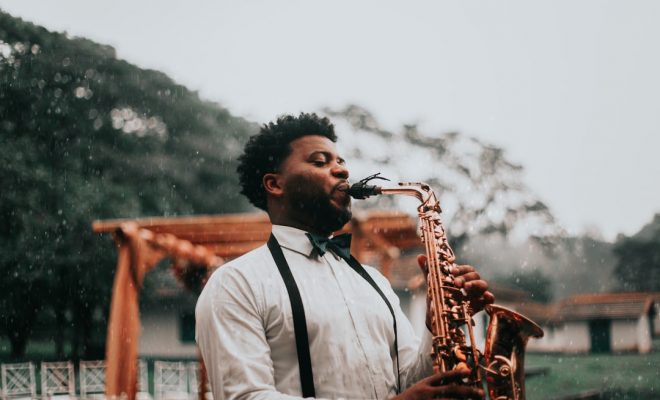
As the vibrant rhythms and melodies of African music fill the air, it’s hard not to be captivated by the continent’s rich cultural heritage. From the Afrobeat of Fela Kuti to the soulful voices of Miriam Makeba, African musicians have been weaving a sonic tapestry that transcends borders and genres. But behind the infectious beats and iconic songs, lies a treasure trove of inspiring stories, struggles, and triumphs. In this blog post, we’ll delve into the fascinating world of African musicians, exploring their journeys, challenges, and contributions to the global music scene.

The Roots of African Music: A Historical Perspective
African music has a long and storied history, with roots stretching back to ancient civilizations. The continent’s diverse musical traditions have been shaped by a complex mix of cultural, social, and economic factors. From the percussive sounds of West Africa to the haunting melodies of North Africa, each region has developed its unique sonic identity. The influence of African music can be heard in various genres, including jazz, blues, and rock, with many international artists drawing inspiration from the continent’s rich musical heritage. For instance, the legendary American musician, Paul Simon, collaborated with South African artists, such as Ladysmith Black Mambazo, to create the iconic album, “Graceland,” which showcased the beauty of African music to a global audience.
To understand the evolution of African music, it’s essential to explore the role of traditional instruments, such as the djembe, kora, and mbira. These instruments have been used for centuries to create complex polyrhythms and melodies, which have been passed down through generations. The use of traditional instruments has also been influenced by the continent’s history of colonization, slavery, and migration, resulting in the blending of different musical styles and techniques. By examining the historical context of African music, we can gain a deeper appreciation for the continent’s rich cultural diversity and the significant contributions of African musicians to the global music scene.
Modern African Music: A New Generation of Artists
In recent years, African music has experienced a resurgence in popularity, with a new generation of artists pushing the boundaries of traditional sounds. The rise of Afro-pop, Afrobeats, and Highlife has given birth to a fresh wave of musicians, who are fusing traditional rhythms with modern production techniques and styles. Artists like Wizkid, Davido, and Tiwa Savage have become household names, not only in Africa but also globally, with their music being streamed millions of times on platforms like Spotify and Apple Music.
The success of modern African music can be attributed to the continent’s growing middle class, increased access to technology, and the rise of social media. These factors have enabled artists to produce, distribute, and promote their music more easily, reaching a wider audience and gaining international recognition. Moreover, the African music industry has become a significant contributor to the continent’s economy, with many artists using their platforms to promote African culture, challenge social norms, and address pressing issues like poverty, inequality, and social justice.
Overcoming Challenges: The Struggles of African Musicians
Despite the growing popularity of African music, many artists still face significant challenges in their careers. Piracy, lack of infrastructure, and limited access to funding are some of the major obstacles that hinder the growth of the music industry on the continent. Additionally, African musicians often struggle to gain recognition and respect in the global music scene, with many facing stereotypes and biases that undermine their talent and creativity.
To overcome these challenges, many African musicians have turned to innovative strategies, such as crowdfunding, social media marketing, and collaborative projects. For example, the African Music Development Programme, launched by the African Union, aims to support the growth of the music industry on the continent by providing training, funding, and networking opportunities for artists. Furthermore, the rise of independent record labels and music platforms has given artists more control over their music, allowing them to produce and distribute their work without relying on traditional industry structures.
The Impact of African Music: A Global Perspective
African music has had a profound impact on the global music scene, with many international artists drawing inspiration from the continent’s rich musical heritage. From the iconic songs of Bob Marley to the contemporary sounds of Kendrick Lamar, African music has influenced a wide range of genres, including reggae, hip-hop, and R&B. The global popularity of African music has also led to increased collaboration between African and international artists, resulting in the creation of new and exciting sounds.
The impact of African music extends beyond the music industry, with many artists using their platforms to promote social justice, challenge cultural norms, and celebrate African identity. For instance, the legendary musician, Fela Kuti, used his music to critique government corruption and advocate for human rights in Nigeria. Similarly, contemporary artists like Angelique Kidjo and Yemi Alade are using their music to empower women, promote education, and address environmental issues. By examining the global impact of African music, we can gain a deeper understanding of the continent’s cultural significance and the powerful role that music plays in shaping our world.
In conclusion, the stories of African musicians are a testament to the continent’s rich cultural diversity, creativity, and resilience. From the historical roots of African music to the modern sounds of Afro-pop and Afrobeats, the journey of African musicians is a fascinating and inspiring one. By exploring the challenges, triumphs, and contributions of African musicians, we can gain a deeper appreciation for the continent’s significant role in shaping the global music scene. As we celebrate the rhythmic soul of Africa, let us remember the power of music to unite, inspire, and transform us, and let us continue to support and promote the incredible talent of African musicians.